A podcast can have a great topic, strong guests, and valuable conversation, but if the video looks flat or boring, viewers may not stay engaged. In today’s content world, people are not only listening to podcasts — they are watching them.
That is why multi-camera podcast production has become so important.
A multi-camera setup gives your show a polished, professional look. It creates movement, variety, and visual interest without distracting from the conversation.
What Is Multi-Camera Podcast Production?
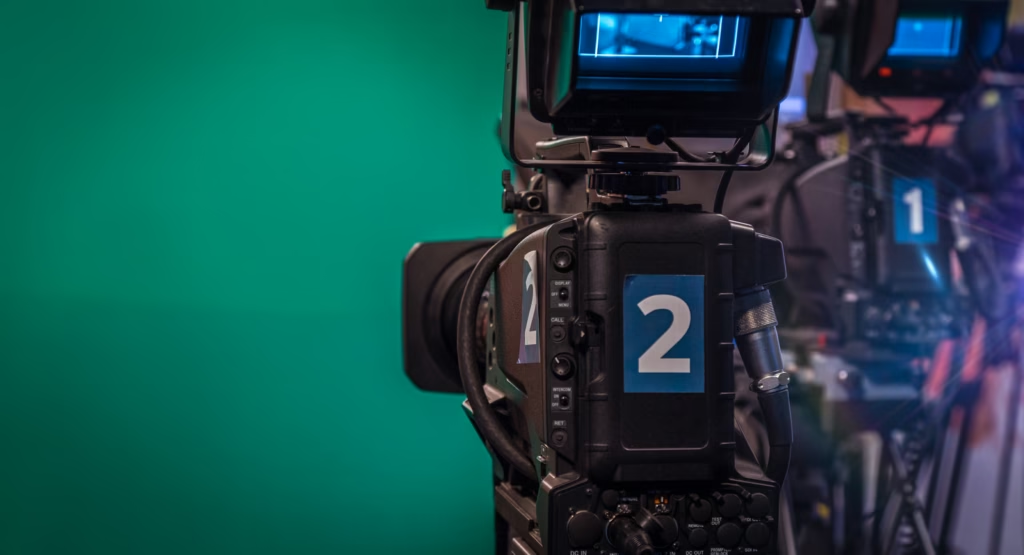
Multi-camera podcast production uses more than one camera to capture different angles during a recording. For example, one camera may show the host, another may show the guest, and a third may capture a wide shot of the full set.
During editing or live switching, the production can move between those angles to match the flow of the conversation.
Instead of watching one static shot for an entire episode, viewers see a more dynamic presentation.
It Makes Conversations Easier to Watch
Long-form conversations can become visually repetitive when filmed from one angle. Multi-camera production helps solve that problem.
When the host asks a question, the camera can focus on the host. When the guest responds, the view can switch to the guest. When both people are reacting, a wide shot can show the full conversation.
These changes help the viewer follow the discussion naturally.
It Creates a Broadcast-Quality Feel
Multi-camera production makes a podcast feel more like a professional show than a basic recording. This is especially important for businesses, ministries, public figures, educators, and creators who want their content to represent their brand well.
A clean multi-camera setup communicates that the show is intentional and serious.
It also helps guests feel like they are participating in something professional, which can improve their confidence and performance on camera.
It Improves Social Media Content
One of the biggest benefits of recording a video podcast is the ability to create short clips for social media. Multi-camera footage makes those clips more engaging.
Instead of posting a single static angle, clips can include close-ups, reactions, and natural visual changes. This helps the content feel more polished on Instagram, TikTok, YouTube Shorts, and Facebook.
For brands trying to grow online, that extra production value matters.
It Helps Cover Mistakes
Multi-camera production also helps during editing. If someone adjusts their microphone, looks away, coughs, or makes a small mistake, another camera angle can often be used to keep the final edit smooth.
This gives the editor more flexibility and helps the final episode look cleaner.
It Makes the Set More Important
When using multiple cameras, the podcast set becomes part of the visual identity of the show. The background, lighting, furniture, and camera angles all work together to create a consistent look.
A professional studio can help make the show feel branded and intentional instead of random or thrown together.
Single Camera vs. Multi-Camera
A single-camera podcast can work, especially for simple solo episodes. But it has limitations. The viewer sees the same angle the entire time, and the final product may feel less engaging.
A multi-camera podcast gives the production more depth and flexibility. It is especially useful for interviews, panel discussions, co-hosted shows, business podcasts, church podcasts, educational content, and branded video series.
Final Thoughts
Multi-camera podcast production helps your show look more professional, more engaging, and more valuable. It improves the viewing experience, strengthens your brand, and creates better content for social media.
If you want your podcast to stand out, the way it looks matters.
Huper Media offers multi-camera podcast production, professional audio, lighting, set support, and video content services to help your show look and sound its best.